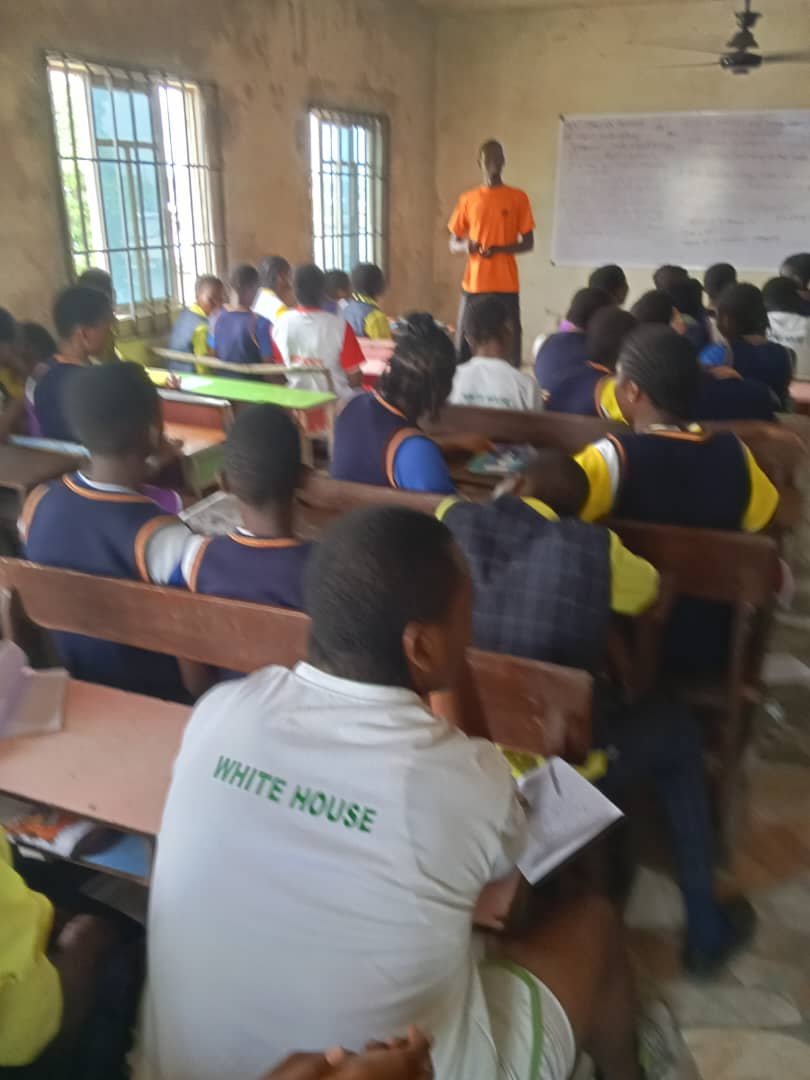
Nigerian admission
JAMB/UTME registration and CBT practice, subject combinations, post-UTME screening, Direct Entry and change of course.
See how it works →Victrish helps you get admitted in Nigeria or abroad, learn tech skills employers want, and travel with confidence. Choose where you want to start.
Search 750+ Nigerian schools and 10,000+ universities in 200 countries, free.
Whether you are writing UTME this year or applying for a Master's abroad, we handle the paperwork and keep you on schedule.
JAMB/UTME registration and CBT practice, subject combinations, post-UTME screening, Direct Entry and change of course.
See how it works →School shortlisting and applications in Canada, the UK, the USA, Europe, Sweden and Australia.
Plan your move →Guidance on fully and partially funded undergraduate, Master's and PhD scholarships.
Find funding →Student visa documents, interview coaching, and preparation for IELTS, PTE and GMAT.
Get ready →Three-month, hands-on courses with three classes a week. New classes start every month, with a maximum of 10 students per class.
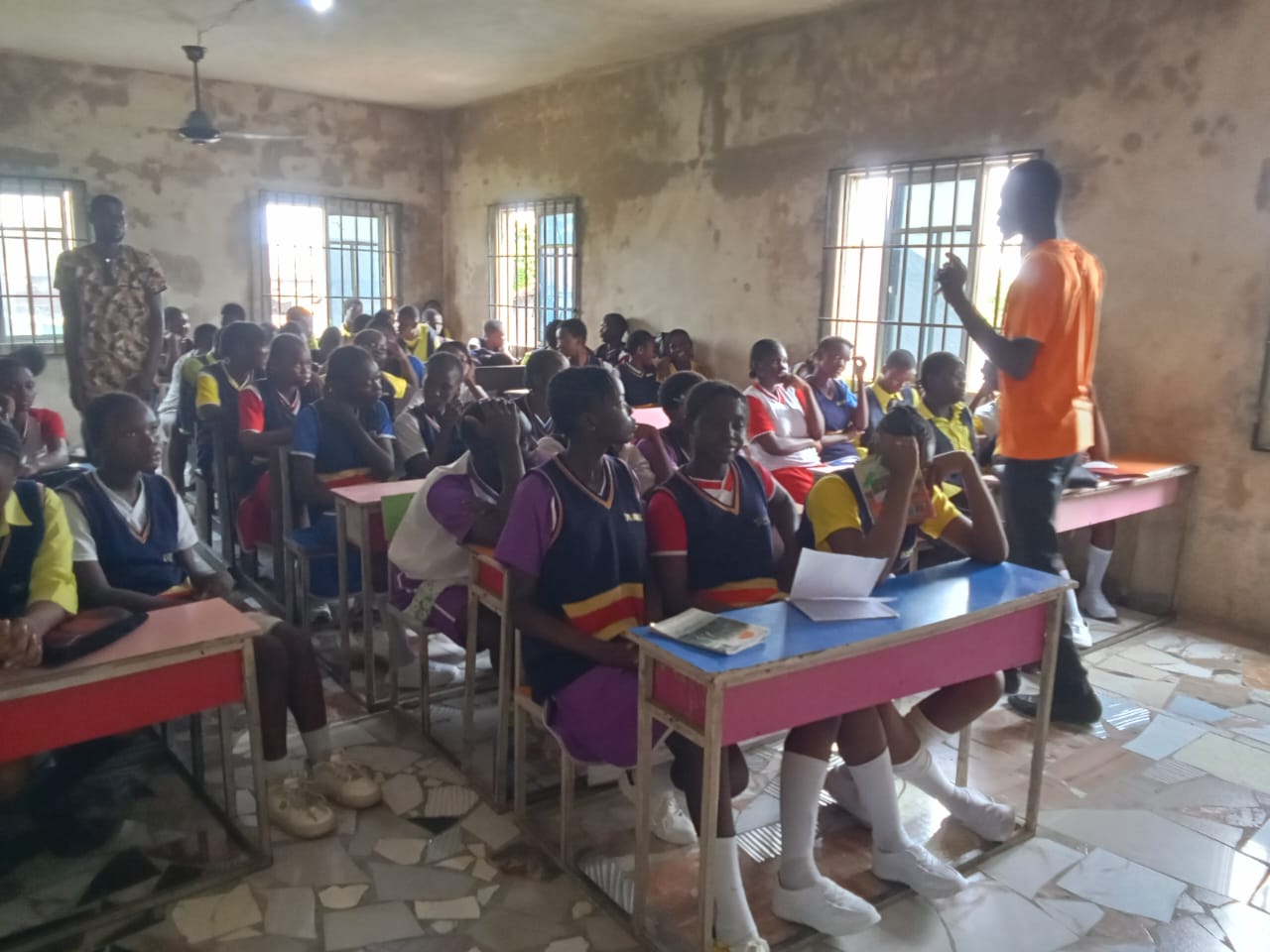
Frontend design, server-side development, databases and cloud deployment, from first line of code to a live app.
Enroll now →
Data extraction, statistical analysis, interactive dashboards and foundational machine learning.
Enroll now →Whether you are flying out for school, business or a holiday, our travel team handles the details.
Building smarter businesses through technology, innovation and digital skills. Strictly for business owners.
The same person follows your application until you are admitted.
Talk face to face at 12 Ugbeyiyi Road, opposite Spring Field International Schools.
Ask a question and get a reply from a real adviser during working hours.
We explain the requirements and costs of each option so you can decide with confidence.
Tell us your goal: a Nigerian university, a degree abroad, a tech career or a trip. We will show you the way.